Executive Summary
Many contractors assume that once a lorry leaves the site, the waste on it becomes someone else's problem. Malaysian law does not share that assumption. The Solid Waste and Public Cleansing Management Act 2007 (Act 672) governs the lawful management of solid waste — including construction and demolition waste — in Peninsular Malaysia, and makes unlicensed disposal an offence (Laws of Malaysia, 2007). The Environmental Quality Act 1974 (Act 127) adds broader prohibitions on pollution of soil and inland waters, and its 2024 amendment substantially increased maximum penalties across the Act (Laws of Malaysia, 1974; Laws of Malaysia, 2024). In practice, when illegally dumped debris is traced, the investigation starts with whoever generated it — not just whoever drove the lorry. The protection is not a cheaper hauler. It is a documented chain: who collected the load, what it weighed, and where it ended.
1. The misconception that causes prosecutions
"The transporter collected it, so it's his responsibility now."
This is the most expensive sentence in Malaysian construction waste management. Engaging a contractor creates a commercial arrangement; it does not extinguish the generating business's exposure. When debris bearing your project's materials appears on a roadside reserve or river bank, enforcement agencies and local authorities work backwards — and the generator whose waste it was has questions to answer, contracts to defend, and a reputation to lose regardless of whose hands physically tipped it.
Key takeaway: you can delegate the work. You cannot delegate the accountability.
2. The legal landscape in plain language
Act 672 — Solid Waste and Public Cleansing Management Act 2007. In the states where it applies (including Selangor and the Federal Territories), Act 672 regulates solid waste management, requires licensing for controlled solid waste services, and makes depositing solid waste other than through lawful channels an offence (Laws of Malaysia, 2007). Construction and demolition debris is solid waste; a lorry driver tipping it into a plantation road is not a lawful channel.
EQA 1974 — Environmental Quality Act. The EQA prohibits pollution of soil and inland waters and empowers enforcement against environmentally harmful disposal (Laws of Malaysia, 1974). The Environmental Quality (Amendment) Act 2024, in force since July 2024, raised maximum penalties across the Act substantially — in some categories to multi-million-ringgit fines — reflecting a national enforcement posture that is hardening, not softening (Laws of Malaysia, 2024).
Local by-laws. Local authorities maintain their own requirements for renovation and construction debris, including designated disposal arrangements and compounds for illegal dumping. Condominium and commercial building managements add contractual layers of their own.
A note on scheduled wastes. Certain hazardous industrial wastes — used oils, solvents, contaminated materials — are regulated separately as "scheduled wastes" under the Environmental Quality (Scheduled Wastes) Regulations 2005, with their own licensing regime (Department of Environment, 2005). Mahawijaya does not collect or manage scheduled wastes. If your project generates such streams, engage a contractor licensed by the Department of Environment for those specific wastes, and consult the DOE where classification is uncertain. This article concerns the non-scheduled construction and industrial materials that make up the overwhelming bulk of site waste.
3. What responsible disposal looks like in practice
The generator's practical duties are unglamorous and decisive:
- Know your streams. Concrete, metal, timber, mixed debris — and any hazardous fraction that needs a separately licensed route.
- Use identifiable, accountable service providers. A company with a registered name, a fixed facility address and a weighbridge — not a phone number on a lamppost.
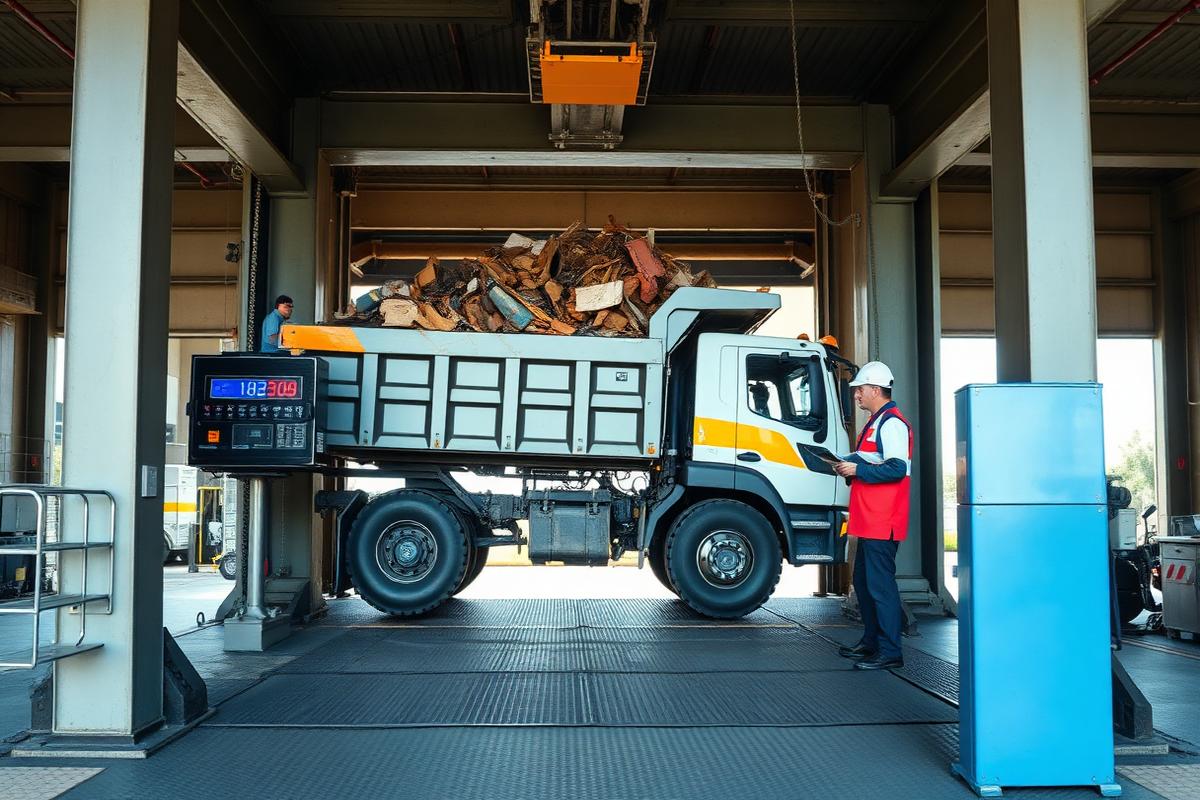
- Get documentation per load. A collection record and a weighbridge ticket convert "the lorry took it" into "load #2607, 8.42 tonnes, received at the Puchong facility, 14:32."
- Keep the records. When a management office, client, auditor or enforcement officer asks where your waste went, the answer should take minutes, not a police report.
⚠ Warning: the roadside hauler's price does not include the compound, the seized lorry story in the group chat, the client who never calls again, or your company name in an enforcement file. That is the discount you are accepting.
4. Why recovery strengthens the compliance position
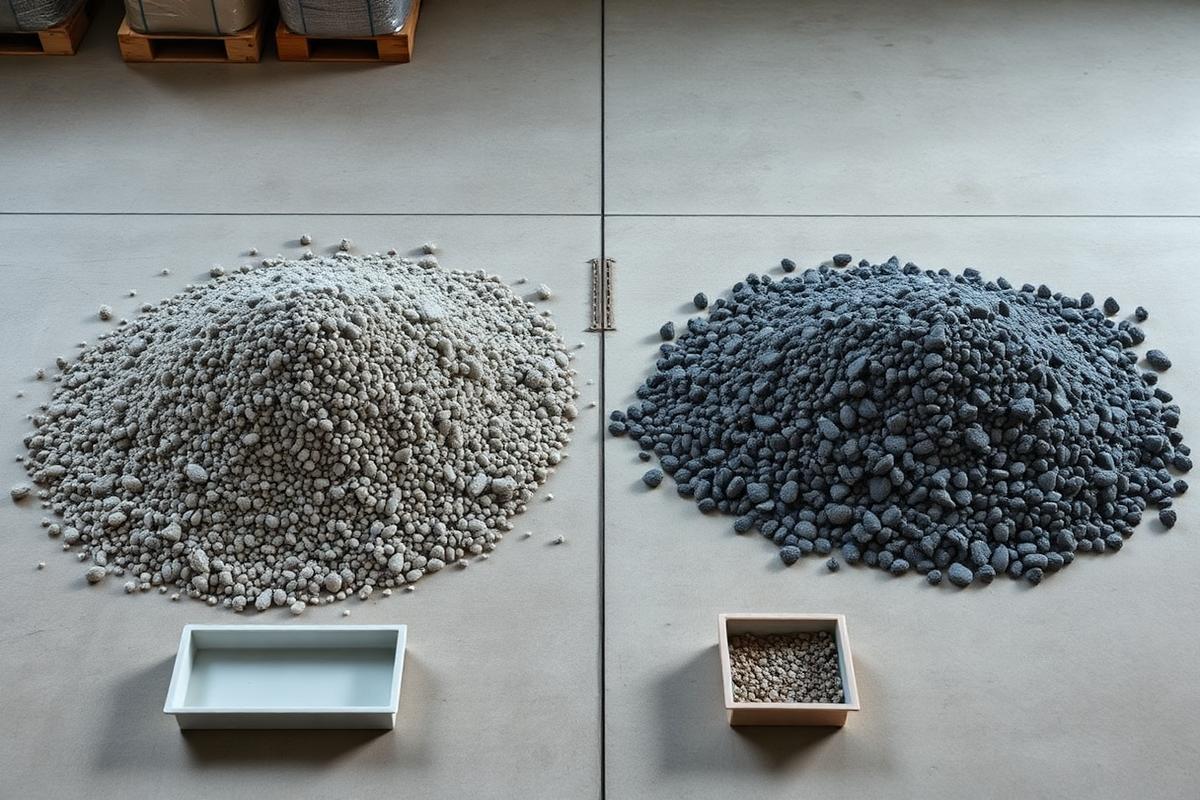
There is a second reason to route waste through a resource recovery operator rather than the cheapest tipper: recovered material has somewhere legitimate to go. Concrete crushed into aggregate, steel graded for mills and timber processed into fuel all enter documented commercial chains with buyers, invoices and weighbridge records at both ends. Material with a market does not end up in a river. The economics that make recovery cheaper for the generator are the same economics that make it traceable — which is why the loads Mahawijaya buys and processes leave a paper trail as a by-product of the business model, not as a compliance afterthought.
5. Generator's protection checklist
☐ Waste streams identified before works start, hazardous fractions routed separately via appropriately licensed contractors ☐ Service provider verified: registered company, fixed facility, weighbridge ☐ Collection record + weighbridge ticket received per load ☐ Records filed against the project, retrievable in minutes ☐ Site team briefed: no ad-hoc "lori sampah" arrangements, ever
Frequently asked questions
If my hauler dumps illegally, am I really at risk? The generating business is where investigations begin and where reputational damage lands, whatever the eventual apportionment. Documentation is what takes you out of the story quickly.
Does a weighbridge ticket have legal significance? It is evidence: a dated, measured record that a specific load entered a specific facility. Chains of such records are what "responsible disposal" looks like when someone asks you to prove it.
Does Mahawijaya handle hazardous or scheduled waste? No. We collect and recover non-scheduled construction and industrial materials — concrete, metal, timber, mixed debris. Scheduled wastes require DOE-licensed specialists; the DOE can advise on classification (Department of Environment, 2005).
What changed in 2024? The Environmental Quality (Amendment) Act 2024 substantially increased maximum penalties under the EQA (Laws of Malaysia, 2024). The direction of enforcement is one-way; documentation is cheaper every year by comparison.
References
Department of Environment (2005) Environmental Quality (Scheduled Wastes) Regulations 2005 [P.U.(A) 294/2005]. Putrajaya: Department of Environment Malaysia. Laws of Malaysia (1974) Environmental Quality Act 1974 (Act 127). Kuala Lumpur: Percetakan Nasional Malaysia Berhad. Laws of Malaysia (2007) Solid Waste and Public Cleansing Management Act 2007 (Act 672). Kuala Lumpur: Percetakan Nasional Malaysia Berhad. Laws of Malaysia (2024) Environmental Quality (Amendment) Act 2024. Kuala Lumpur: Percetakan Nasional Malaysia Berhad.
Related articles
What Construction Waste Disposal Actually Costs in the Klang Valley · Segregation at Source: The Cheapest Money on a Construction Site · Building a Waste Dataset That Stands Up to Assurance
Want every load documented? Mahawijaya collects construction and industrial materials across Selangor and Kuala Lumpur — weighed on a calibrated bridge, ticketed the same day, recovered where the material allows. [Book a Consultation] · [Request a Quotation]
Disclaimer: This article is provided for general educational purposes and is not legal advice. Legislation and enforcement practice change. Refer to the current legislation and the relevant authorities — including the Department of Environment and your local authority — or seek professional advice for matters specific to your operations.