Executive Summary
Waste management in Malaysia is not sold at one price, and any contractor quoting a flat "per bin" figure before seeing your material is either guessing or excluding something you will pay for later. A lawful quotation is assembled from five cost blocks — container, haulage, gate/tipping, processing or sorting, and documentation — then reduced by whatever the material is worth once recovered. This guide sets out each block in the order it appears on a quotation, explains what moves it in the Klang Valley specifically, and shows how recovery credits change the net cost of construction waste disposal. It deliberately publishes cost structure rather than invented ringgit rates: tipping fees, diesel and scrap indices move quarterly, and a rate card printed today misleads by the next quarter.
1. The five blocks in every Malaysian waste quotation
| Block | What you are paying for | What moves it |
|---|---|---|
| Container | Skip, RoRo or hook-lift bin on site for an agreed window | Bin size, standing time, rotation frequency |
| Haulage | Truck, driver, fuel, and round-trip time to a licensed facility | Distance, traffic windows, night or weekend access |
| Gate / tipping fee | The facility's charge to receive and weigh the load | Material type, contamination, tonnage, facility |
| Processing / sorting | Labour and plant to separate a mixed load into streams | Degree of segregation at source |
| Documentation | Weighbridge tickets, per-load records, disposal evidence | Contractual and audit requirements |
| Recovery credit | Value returned to you for recoverable fractions | Metal, clean concrete, timber volumes and market indices |
If a quotation cannot be decomposed into these lines on request, treat the number as incomplete rather than competitive.
2. Klang Valley tipping fees: how they actually work
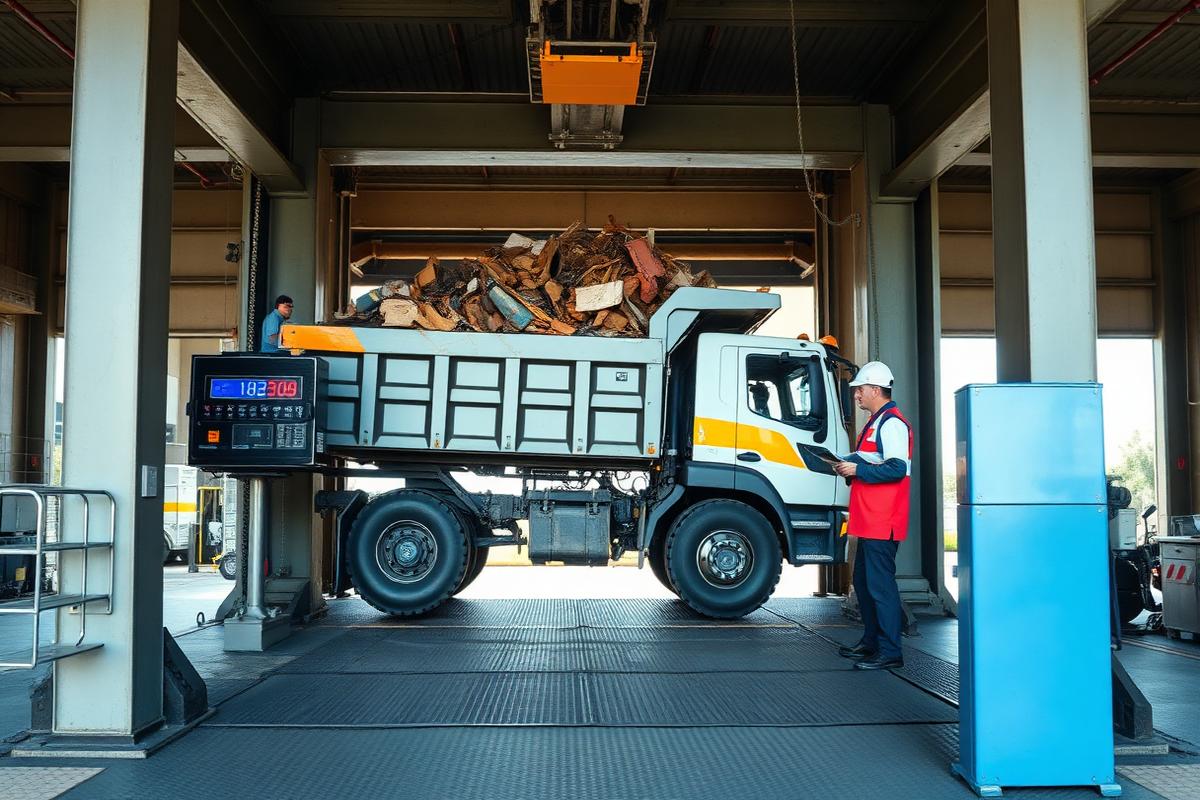
Tipping is charged by weight at the weighbridge, not by the bin. Three consequences follow, and they surprise most first-time buyers:
- Dense loads cost more to tip and less to haul. Concrete, brick and soil fill a bin by weight long before they fill it by volume — you pay tipping, not trips.
- Light loads cost more to haul and less to tip. Packaging, insulation and formwork fill volume, so you pay for trips and bin rotation.
- Contamination is repriced at the gate. A concrete load carrying gypsum, soil or general refuse can be reclassified on arrival, moving it from a low mineral rate to a mixed-waste rate for the whole load — not just the contaminated fraction.
Facility fees also differ between a licensed recovery facility and a landfill. Recovery facilities buy or discount material they can process; landfills only charge. Where a load is genuinely recoverable, routing it to a recovery facility is usually the cheaper lawful option before any credit is even counted.
3. Construction waste disposal prices: what the ranges depend on
Rather than a rate card, here is what actually determines where your project sits in the market range:
| Driver | Cheaper end | Expensive end |
|---|---|---|
| Segregation | Streams separated at source, single-material bins | One mixed bin for everything |
| Access | Ground-level, machine-loaded, daytime swap | Basement, lift-bound, night window, manual load |
| Distance to facility | Within the Klang Valley conurbation | Outstation haulage, return-leg empty |
| Schedule | Contracted rotation planned against the programme | Ad-hoc emergency swaps |
| Material mix | High metal, clean concrete, clean timber | Gypsum, treated timber, wet mixed debris |
| Documentation demand | Standard per-load tickets | Client-specific ESG reporting packs |
A project that scores "cheaper end" on four of the six typically pays a materially different unit cost from a neighbouring site on the same street — which is why comparable-looking quotations diverge.
4. How recovery credits reduce the net cost
Mahawijaya prices waste as feedstock first and disposal second. Recoverable fractions carry a credit that is netted against the disposal blocks above:
- Ferrous and non-ferrous metal — index-linked scrap credit. On strip-outs and demolition, metal alone can offset a large share of the disposal bill, and metal-heavy loads occasionally net positive.
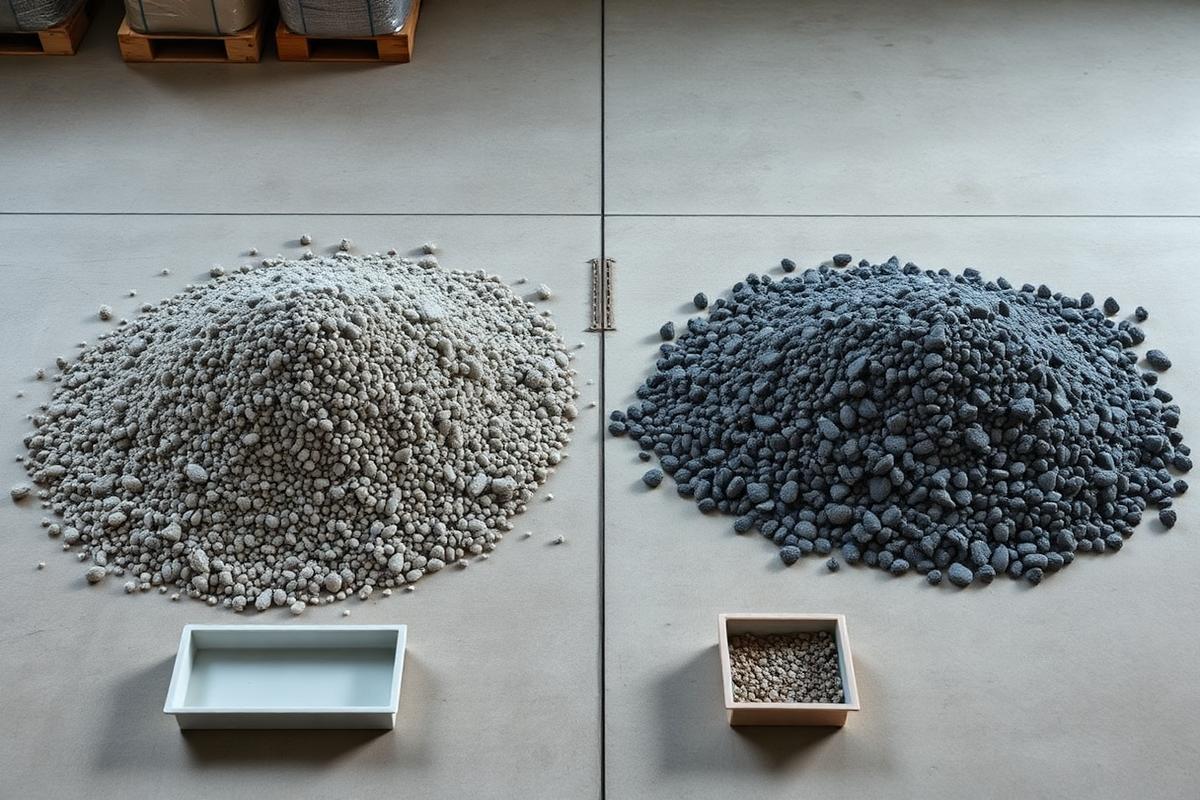
- Clean concrete, brick and stone — crushed and screened into recycled aggregate. A clean mineral load is feedstock; the same load with soil and gypsum in it is a sorting cost.
- Untreated timber and formwork — shredded and de-metalled into biomass fuel. Treated timber is quoted separately.
- Clean packaging and cardboard — baled where volumes justify it.
The arithmetic that matters is net cost = (container + haulage + tipping + processing + documentation) − recovery credit. Most cost reduction available to a Malaysian site comes from moving material out of the "mixed" column and into the credited columns, which is a site-discipline decision far more than a procurement one.
5. Five ways to lower your waste bill this month
- Split the concrete bin from everything else. It is the single largest controllable saving on a construction site.
- Keep gypsum and plasterboard out of mineral loads. One skip of contaminated concrete can cost more than the plasterboard ever did.
- Right-size and schedule the bins. Paying to haul air, or paying emergency swap rates, are both avoidable.
- Capture metal separately. It is the fraction with the clearest credit and the highest loss rate to informal pickers.
- Insist on weighbridge documentation. A price that omits records is not cheaper — it moves liability under the Solid Waste and Public Cleansing Management Act 2007 (Act 672) back onto you as the generator.
6. What we do not price
Scheduled waste — oils, chemicals, contaminated materials and other fractions under the Environmental Quality (Scheduled Wastes) Regulations 2005 — travels a separately licensed chain and is not collected by Mahawijaya. Identify these streams at planning stage and appoint a DOE-licensed scheduled-waste contractor; discovering them at the gate stops a load and costs a day.
7. Getting a number for your site
Because pricing is site-specific, Mahawijaya quotes against evidence rather than assumptions: photographs of the material, an estimate of volume or tonnage, site access details, and the required rotation. On that basis a written quotation — decomposed into the blocks above, with recovery credits shown separately — is returned within one working hour during business hours.
References: Laws of Malaysia, Solid Waste and Public Cleansing Management Act 2007 (Act 672); Department of Environment Malaysia, Environmental Quality (Scheduled Wastes) Regulations 2005.