Executive Summary
There is no single market price for construction waste disposal in the Klang Valley, and any figure quoted without site context should be treated with caution. Disposal pricing is built from variables: material type and density, contamination, bin logistics, haulage distance, facility fees, loading method, access constraints and — increasingly — the recovery value of the material itself. Two quotations for "the same" job can differ substantially because they make different assumptions about these variables, or because one hauler is not pricing lawful disposal at all. This article explains the cost structure so that QS teams can estimate, compare and reduce waste costs on evidence rather than provisional sums. Deliberately, it contains no invented rates: prices move with fuel, facility fees and scrap indices, which is why Mahawijaya quotes against photographs and site data within one working hour rather than publishing a rate card that would mislead within a quarter.
1. Why waste costs more than most people expect
Construction waste is a logistics and processing problem wearing a rubbish disguise. A 10-tonne load of mixed debris must be contained, lifted, hauled, weighed, sorted and then either processed into product or disposed of through lawful channels whose fees reflect their own compliance costs. Under the Solid Waste and Public Cleansing Management Act 2007 (Act 672), lawful disposal is not optional — and the unlawful alternative transfers risk, not cost, back to the generator (Laws of Malaysia, 2007). The waste line in a BQ is small; the operations behind it are not.
2. The twelve factors that move the price
| # | Factor | Why it affects cost |
|---|---|---|
| 1 | Material type | Clean concrete is crusher feedstock; mixed debris needs sorting labour before anything has value. |
| 2 | Density | Bins are hauled by the trip but tipped by the tonne. Dense mineral loads and fluffy packaging loads price differently in opposite directions. |
| 3 | Contamination | Soil, gypsum and timber in a concrete load convert product into sorting cost. |
| 4 | Segregation at source | Separated streams skip the sorting line — the single largest controllable saving. |
| 5 | Metal content | Scrap credits offset disposal; metal-heavy strip-outs can net positive. |
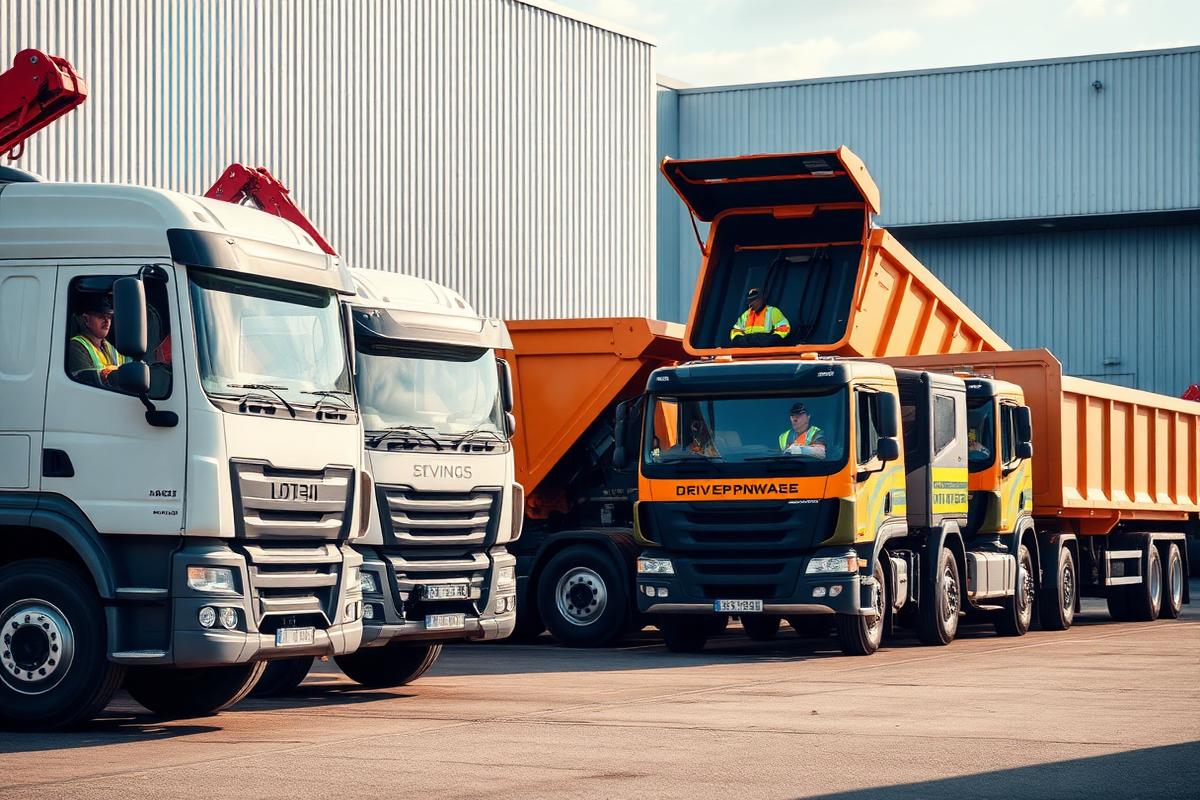
| 6 | Haulage distance | Fuel, driver hours and truck utilisation scale with distance to facility. |
| 7 | Facility fees | Lawful tipping and processing fees vary by facility and material and change over time. |
| 8 | Bin size and rotation | Wrong-sized bins mean paying either for air or for extra trips. |
| 9 | Loading method | Machine-loaded bins cost less than crew load-and-go for loose debris. |
| 10 | Site access | Height limits, lift coordination, night windows and condo protocols add handling time. |
| 11 | Schedule pattern | Contracted rotation prices below ad-hoc emergency swaps. |
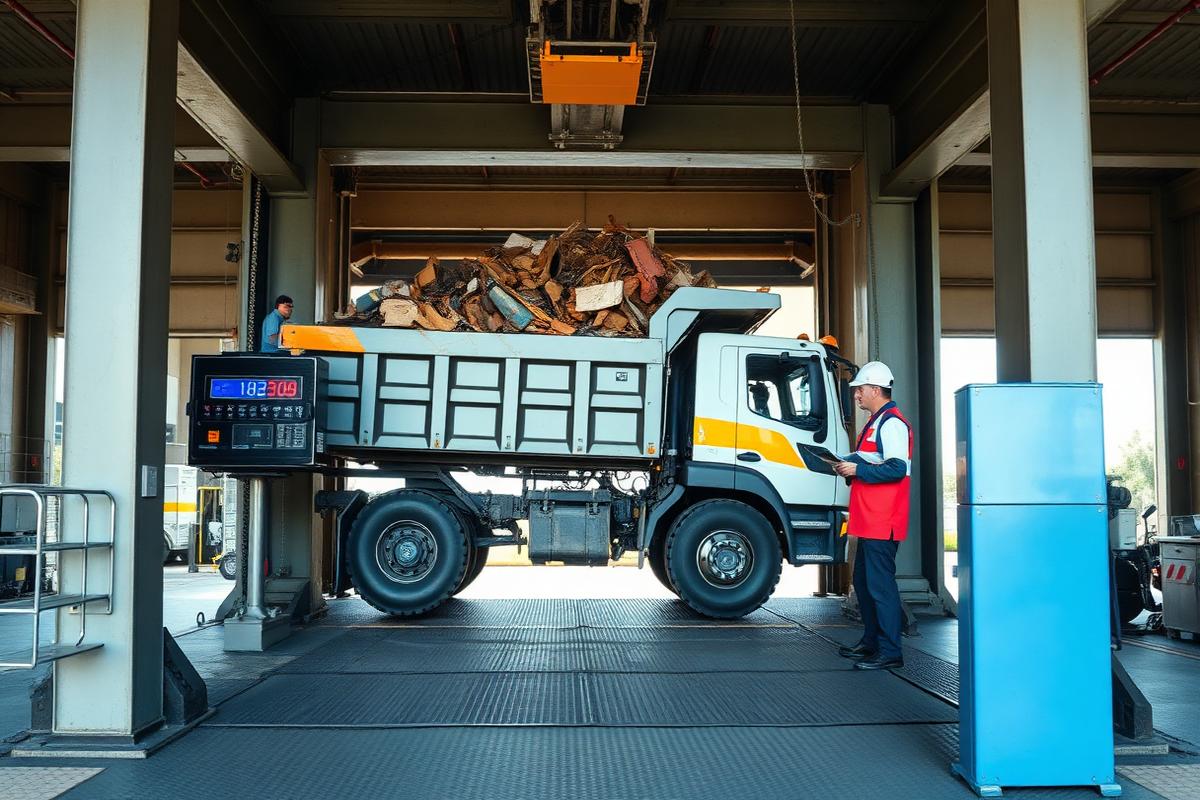
| 12 | Documentation | Weighing and per-load records are part of a lawful price — their absence in a quotation is a warning, not a saving. |
3. How the streams compare
| Material | Typical handling | Recovery potential | Notes |
|---|---|---|---|
| Concrete | Crushing and screening | High — recycled aggregate | Rebar extracted and credited; contamination limits apply |
| Brick / tile | Screening to fill grades | Moderate | Often priced as mixed mineral |
| Steel / rebar | Direct to scrap chain | High — index-linked credit | Frequently flips load economics |
| Timber / formwork | Shredding, de-metalling | Moderate — biomass fuel | Treated timber quoted separately |
| Mixed C&D debris | Sorting line | Variable | Priced on composition; photos improve accuracy |
| Gypsum / plasterboard | Segregated disposal | Low locally | A contaminant in mineral loads — keep it out of concrete bins |
| Packaging | Baling where clean | Low–moderate | Volume problem, not a weight problem |
| Hazardous fractions (oils, chemicals, contaminated materials) | Separately licensed chain — not collected by Mahawijaya | N/A | Engage a DOE-licensed scheduled-waste contractor; identify these streams early (Department of Environment, 2005) |
4. The pricing workflow (illustrative structure, not rates)
Every credible quotation resolves the same equation:
Net cost = (logistics: bins + hauls) + (processing or facility fees by weight) − (recovery credits: metal, clean concrete, clean timber)
- Residential renovation: small mixed loads, access constraints dominate; the biggest lever is keeping renovation debris and household waste separate.
- Commercial demolition: tonnage dominates; rebar credits and on-site concrete segregation decide whether the project pays disposal prices or feedstock prices.
- Factory refurbishment: stream diversity dominates; any hazardous fraction must be identified early because it follows a separate, separately licensed chain with its own timeline and cost line.
QS note: when two quotations differ widely, compare their assumptions line by line: tonnage basis, contamination allowance, credit treatment and documentation scope. A number without a weighbridge behind it is an estimate of an estimate.
5. How resource recovery changes the economics
A disposal-only vendor has one revenue line: what you pay. A recovery operator has two: your fee and the recovered material's market value — which is why recovery-based pricing can undercut disposal pricing while remaining lawful. The mechanism matters to buyers too: recovered concrete returns to the market as graded aggregate at prices generally below quarry equivalents, closing a loop that projects can capture on both sides (demolition out, sub-base in). The greater the segregation at source, the more of your waste stream is priced as feedstock instead of refuse.
6. Reducing the number: what actually works
- Segregate concrete, metal and timber at source — signage and toolbox talks pay for themselves.
- Right-size bins to the phase; review rotation monthly against fill photos.
- Quote with photographs and drawings, not adjectives.
- Keep gypsum, soil and general refuse out of mineral bins.
- Contract rotation for the programme; keep ad-hoc for surprises.
- Demand weighbridge tickets — you cannot manage a cost you never measured.
- Ask for recovery credits to be itemised, not "included".
Checklist before requesting a quotation
☐ Waste streams and rough proportions identified ☐ Hazardous fractions identified for separate licensed routing ☐ Photographs of representative material ☐ Site access constraints listed ☐ Programme duration and phasing ☐ Segregation plan (or request for one) ☐ Documentation requirements stated (tickets, monthly reports)
Frequently asked questions
Why won't reputable companies publish a rate card? Because fuel, facility fees and scrap indices move, and because material composition changes the price more than any published number could express. A dated rate card is marketing; a same-day quotation against photographs is pricing.
Is heavier always more expensive? No. Weight raises tipping-related cost but dense loads often carry recovery value; a metal-heavy load can cost less than a lighter mixed one.
Does lawful disposal really cost more than the "cheap lorry"? It costs more per load and immeasurably less per prosecution. Liability for illegally dumped waste follows the generator (Laws of Malaysia, 2007).
References
Department of Environment (2005) Environmental Quality (Scheduled Wastes) Regulations 2005 [P.U.(A) 294/2005]. Putrajaya: Department of Environment Malaysia. Laws of Malaysia (1974) Environmental Quality Act 1974 (Act 127). Kuala Lumpur: Percetakan Nasional Malaysia Berhad. Laws of Malaysia (2007) Solid Waste and Public Cleansing Management Act 2007 (Act 672). Kuala Lumpur: Percetakan Nasional Malaysia Berhad.
Related articles
Recycled Aggregate vs Quarry Crusher Run · Who Is Legally Responsible for Construction Waste? · Segregation at Source: The Cheapest Money on a Construction Site
Pricing a project? Send photographs, drawings or a BQ waste line and receive a supported quotation for collection and resource recovery across Selangor and Kuala Lumpur — within one working hour. [Request a Quotation] · [WhatsApp Site Photos]
Disclaimer: This article explains cost structure for general education and contains no fixed rates. Actual pricing depends on material, site and market conditions at the time of quotation. It is not financial or legal advice.